
Interchangeable 3D Camera Lens Scanner Field Test: Revealing Multi-Scenario Modeling Advantages
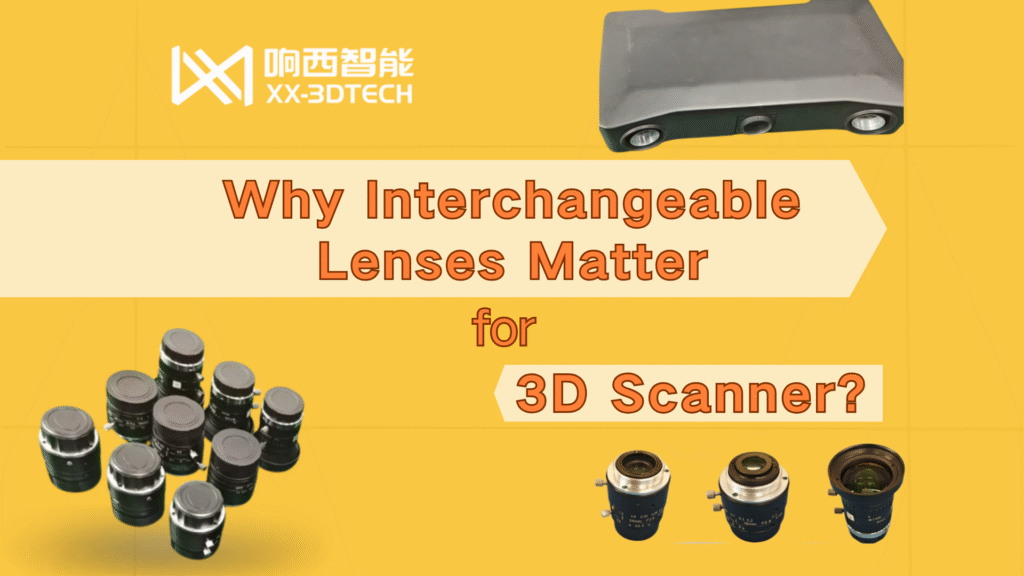
In today’s fast-evolving world of 3D digitization, 3D scanners have become essential 3D measurement tools across industries. Among the many factors that impact scanning results, the 3D camera lens plays a crucial role on DIY 3D scanner—not just in determining the 3D scanning area, but also in the final precision and modeling quality. That’s where […]
A Practical Guide: How to Calibrate Your 3D Scanner for Maximum Accuracy
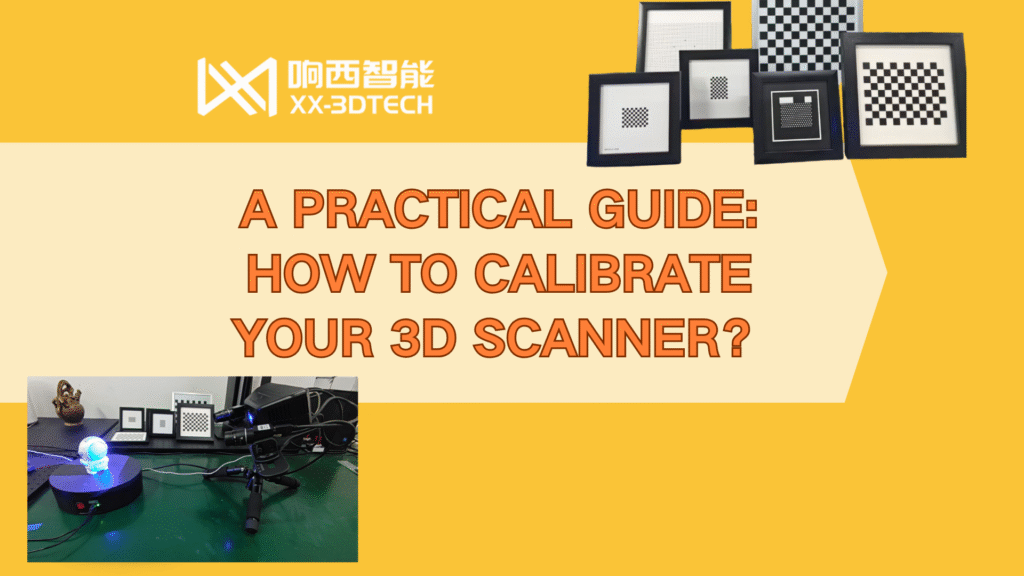
How to Calibrate Your 3D Scanner for Maximum Accuracy: A Practical Guide When it comes to 3D scanning, accuracy is everything. One of the most effective tools for boosting your 3D scanner accuracy is a calibrated plate. If you want sharper 3D models and more reliable data, knowing how to properly calibrate your optical 3D […]
How 3D Scan Sprays Can Make or Break Your Industrial 3D Scanner Accuracy
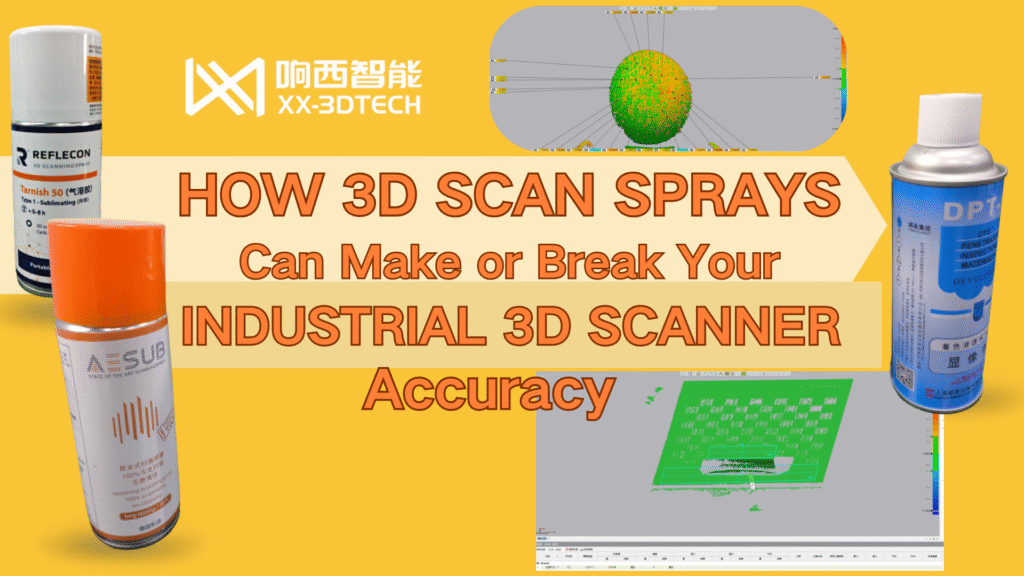
In today’s fast-evolving digital world, industrial 3D scanners have become essential tools across industries — from advanced manufacturing and quality inspection to cultural heritage preservation and even medical applications. But did you know that one small factor can make a huge difference in your scanning results? Yes — I’m talking about the humble but powerful […]
3D Camera Tuning Tips: Mastering 3D Scanner Camera Adjustments for Best 3D Modeling
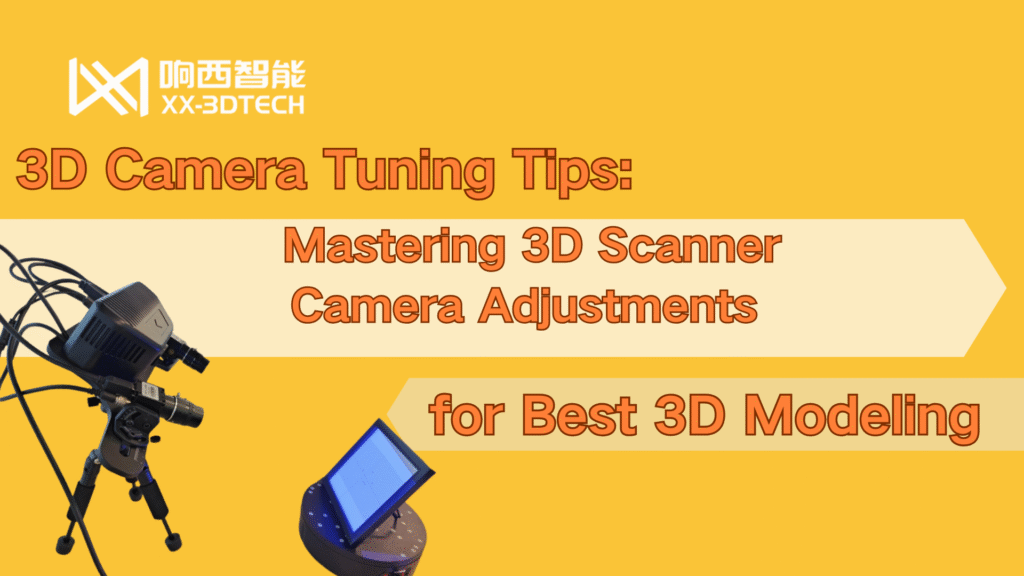
How do you take a 3d photo? In today’s digital age, industrial 3D scanners have become essential tools across various industries, from industrial design to architecture and even cultural heritage preservation. The real magic behind their effectiveness? The 3D cameras adjustments that ensure top-notch data for three-dimensional modeling. Whether you’re capturing intricate industrial designs or preserving historical […]
Industrial 3D Scanner Installation Guide: Step-by-Step from Box to Model
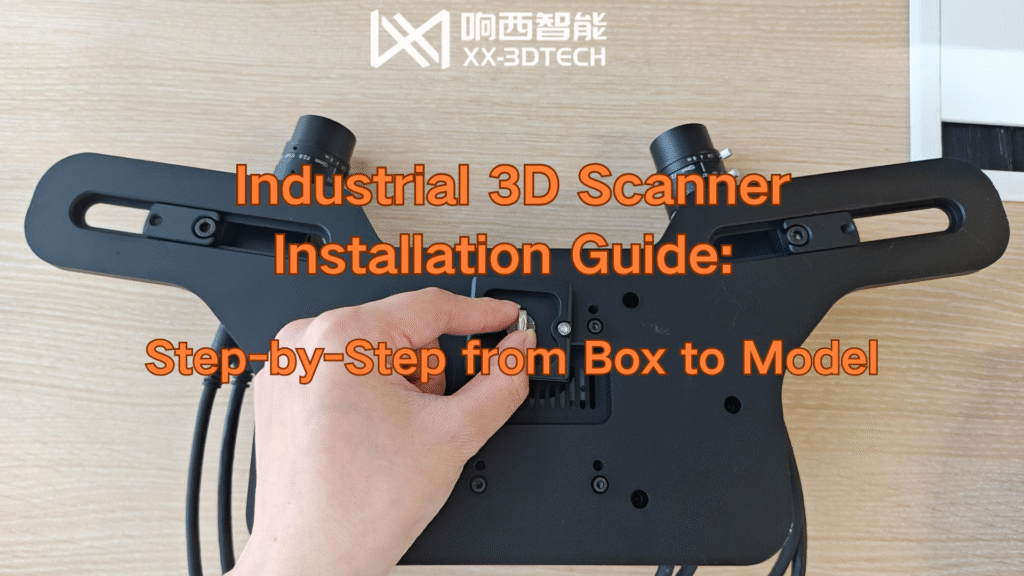
In today’s fast-paced tech landscape, 3D scanning technology is no longer exclusive to industrial giants—they’ve become essential tools in fields like design, heritage preservation, and even personal creative projects. Whether you’re capturing intricate details for reverse engineering or bringing physical objects into the digital world, structured light industrial 3D scanners open up a world of possibilities. In […]
XX-3DTECH’s 3D Scanner Triumph at BEYOND Expo Puts ‘Smart Manufacturing from China’ in Global Spotlight
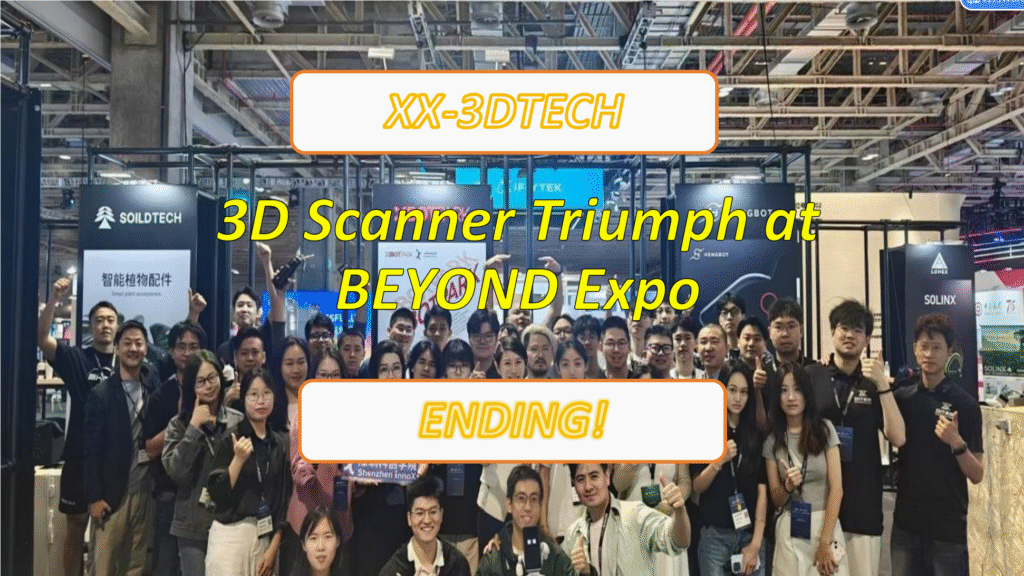
In the wave of technological innovation, XX-3DTECH(Chongqing) has emerged as a standout player in the structured light 3D scanner field. On May 24, 2025, the BEYOND Expo in Macau came to a spectacular close, where XX-3DTECH wowed the world with its cutting-edge structured light 3D scanners and 3D inspection machines, showcasing the true power of “Smart Manufacturing from China.” Hard Tech Goes Global: A Symphony of Innovation As one […]
3D Scanning Tips: How to Resolve Alignment Failures for Effortless, Flawless 3D Modeling

Transforming Reverse Engineering with High-Accuracy 3D Scanning Alignment Techniques If you’ve ever struggled with 3D scanning alignment failures during 3D modeling, you’re not alone. Whether you’re scanning industrial parts for reverse engineering or intricate sculptures, misaligned data can tank your efficiency and accuracy. But don’t worry—with the right strategies (and a high-precision scanner like Xiangxi […]
3D Scanner Accessories: Incredible 15m Scanner Cable for Limitless 3D Scanning
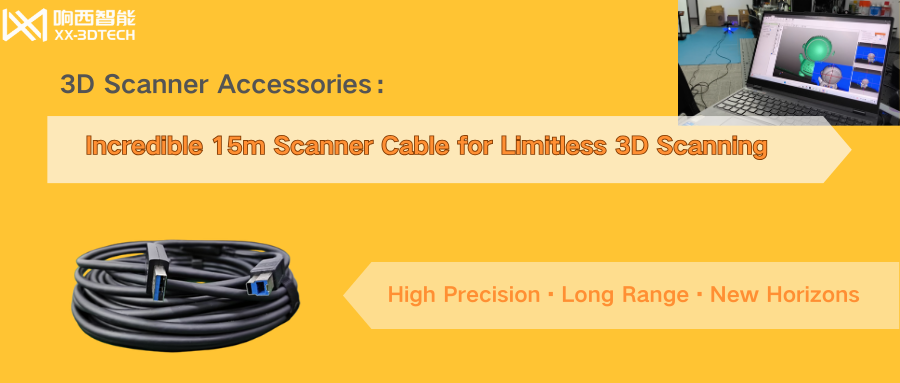
Break Distance Barriers with a 15m Scanner Cable and Expand Your 3D Scanner Horizons In today’s digital era, you rely on precise tools to capture detailed models—but a short scanner cable can really hold you back. Whether you’re measuring sprawling industrial parts or intricate outdoor sculptures, traditional setups with a limited cable length can interrupt your […]
3D Scanning Application:How an Exciting 0.05mm Infrared 3D Face Scanner Is Reshaping 3D Face Scanning and Reverse Engineering

0.05mm Accuracy, Infrared Safety—Redefining the Standards of 3D Face Scanning When it comes to capturing human facial details in full 3D, you want more than just a high-quality photo—you need precision, speed, and safety. Whether you’re working in medical aesthetics, security, digital entertainment, or personalized products, accurate 3D scanning of facial data is essential. But how […]
3D Scanning Tips: Discover How a High‑Precision 3D Scanner Effortlessly Empowers 3D Scanning of Small Objects

Small Objects, Big Breakthroughs: Mastering Micron-Level 3D Scanning for Biomedical, Heritage, and Industrial Innovation In today’s rapidly evolving world of biomedical research, heritage conservation, and precision manufacturing, you increasingly need to capture the tiniest details. If you’re looking for effective 3D scanning tips and solutions that deliver stunning results for 3D scanning small objects, you’re in […]

